Not everyone who wants a straighter smile walks in already knowing whether invisible aligners are the right choice for them. One of the most common questions patients ask before committing to orthodontic treatment is a simple one: am I actually a good candidate?
The answer depends on several clinical and lifestyle factors. Understanding who is suitable for invisible aligners helps patients make informed decisions and arrive at consultations better prepared. This page breaks down the key candidacy criteria in detail covering dental conditions, age considerations, lifestyle habits, and clinical limitations.
For patients already exploring their options, invisible aligners in Deira offer a discreet, removable orthodontic solution backed by digital treatment planning and professional supervision.
Invisible aligner therapy is not a universal solution. It works exceptionally well for a defined range of orthodontic concerns and less effectively for others. A thorough consultation at Dreamsmile Dental Clinic helps determine whether aligners are the most appropriate path forward.
The following criteria are typically evaluated during a candidacy assessment.
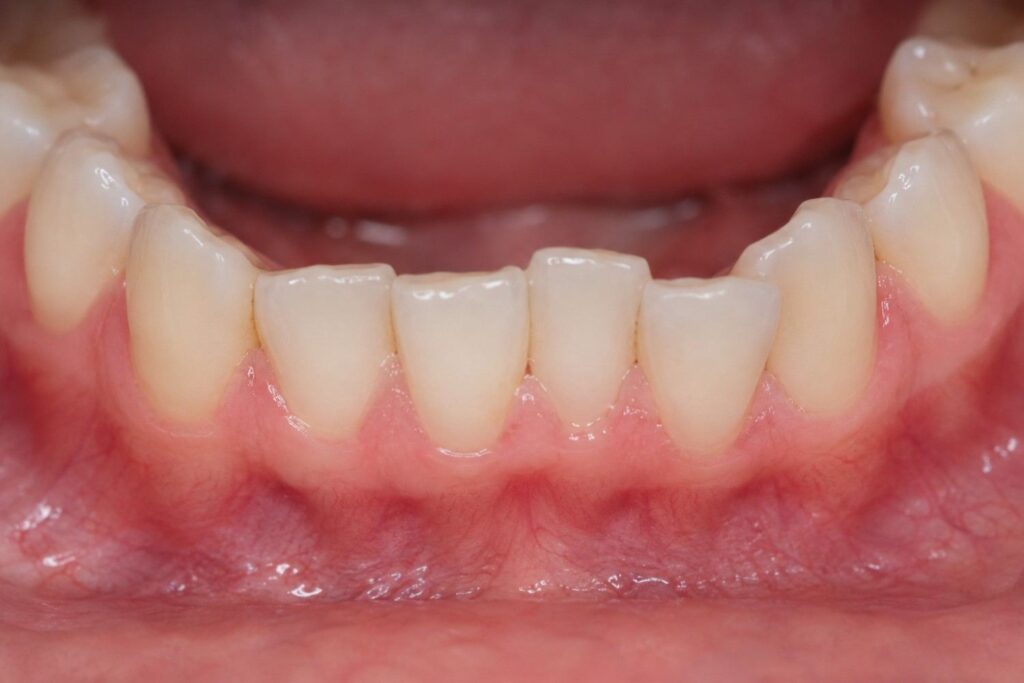
Crowding is one of the most common reasons patients seek orthodontic treatment. It occurs when there is insufficient space in the dental arch, causing teeth to overlap, rotate, or shift out of position.
Patients with mild to moderate crowding are generally well-suited to invisible aligner therapy. The aligners apply consistent, controlled pressure to guide teeth into better alignment over a series of custom trays.
Severe crowding, however, may require traditional braces or a combination approach depending on the clinical assessment. The degree of crowding is usually measured in millimetres of space discrepancy, and the treating dentist evaluates this during the initial consultation.
Gaps between teeth clinically referred to as diastemas are another condition that responds well to invisible aligner treatment. Whether the spacing is between the front teeth or distributed across multiple areas of the arch, aligners can gently close these gaps through carefully planned tooth movement.
Patients with small to moderate gaps are typically good candidates. Larger or complex spacing issues may involve additional clinical considerations, which the dentist will outline during assessment.Proper closure of gaps also contributes to improved gum health, as spaces between teeth can accumulate food debris and increase the risk of gum irritation.
Invisible aligners can also help correct certain bite issues, including:
Mild to moderate cases are often suitable for aligner treatment, while severe or skeletal bite discrepancies may require alternative orthodontic approaches. A dental assessment is necessary to determine suitability.

Age is a factor in determining suitability for invisible aligners, though it is less restrictive than many patients expect.
Adults of any age are generally strong candidates, provided they have good periodontal health and no active dental disease. There is no upper age limit for aligner treatment.
Teenagers are suitable candidates once their permanent teeth have fully erupted. Most patients from their mid-teens onward can undergo aligner therapy effectively. Compliance is particularly important in teenage patients, as aligners must be worn consistently for treatment to progress on schedule.
Very young patients whose teeth are still developing are typically not candidates for invisible aligner treatment, as the dentition continues to change significantly during childhood.
One of the most important candidacy factors is often overlooked: patient compliance.
Invisible aligners must be worn for approximately 20 to 22 hours per day to produce the intended results. They are removed only during eating, drinking (anything other than water), brushing, and flossing.
Patients who travel frequently, have demanding work schedules, or lead active social lives often find aligners easier to manage than traditional braces — precisely because they can be removed when needed. However, the discipline to replace them promptly is essential.
Patients who are unlikely to wear their aligners consistently, whether due to lifestyle factors or personal preference, may not achieve the outcomes they expect. Honest discussion with the treating dentist about habits and expectations is an important part of the consultation process.
This is one of the reasons understanding who is suitable for invisible aligners includes a candour component — treatment success depends heavily on the patient’s own commitment.
Invisible aligners are best suited for patients with healthy teeth and gums. Any untreated cavities, gum disease, or oral infections should be treated before starting aligner therapy. Patients with crowns, bridges, implants, or a history of gum problems may still be eligible, but a dental assessment is necessary to ensure treatment can proceed safely.
Invisible aligners are ideal for individuals who want a nearly invisible alternative to braces. The clear trays are removable, making it easier to eat, brush, and floss normally. They are especially popular among adults and professionals who prefer a discreet orthodontic solution that fits comfortably into their lifestyle.
Even for ideal candidates, understanding the realistic pace of treatment is important.
Tooth movement is a gradual biological process. Aligners apply gentle, controlled forces — the teeth and surrounding bone tissue adapt over time. Most patients change to a new aligner tray every one to two weeks, with regular progress reviews scheduled at the clinic.
Some patients experience mild pressure or discomfort for the first day or two after switching to a new tray. This is a normal sign that the aligners are working. The sensation typically settles within 48 hours.
Visible improvements in alignment often appear within the first few months of treatment, which many patients find motivating. Full treatment duration varies depending on the complexity of the case and the patient’s compliance with wear instructions.
Completing the active phase of treatment is not the final step. The retention phase is equally important for maintaining the results achieved.
After the final aligner is worn, teeth have a natural tendency to shift toward their original positions — a process known as relapse. Retainers are prescribed to hold the teeth in their corrected positions while the surrounding bone and tissue fully stabilise.
Patients who skip or inconsistently use their retainers risk losing the alignment they achieved through treatment. The dentist provides clear instructions regarding retainer wear, which is typically more frequent initially and reduces over time.
Proper retention is a long-term investment in the results achieved through aligner therapy.
Knowing who is suitable for invisible aligners is the first step toward making a confident orthodontic decision. Most adults and teenagers with mild to moderate alignment concerns, adequate oral health, and a commitment to consistent wear are strong candidates for this discreet and effective treatment.
From crowding and spacing to bite irregularities, invisible aligner therapy offers a modern, removable, and professionally supervised pathway to a straighter smile. A consultation at Dreamsmile Dental Clinic in Deira provides the personalised clinical evaluation needed to determine whether aligners are the right fit for your specific dental needs.
For further information on oral health standards and orthodontic care globally, visit the World Health Organization Oral Health page.
Clear aligners offer a discreet and comfortable alternative to traditional braces for correcting teeth alignment issues. Learn more
Discover how invisible aligners improve smile appearance, comfort, convenience, and oral hygiene during orthodontic treatment. Learn more
Treatment costs vary based on the complexity of tooth movement, treatment duration, and individual orthodontic requirements. Learn more
Treatment costs vary based on the complexity of tooth movement, treatment duration, and individual orthodontic requirements. Learn more
Explore the step-by-step journey from consultation and digital scanning to aligner delivery and progress monitoring. Learn more
Treatment duration depends on the severity of alignment issues, patient compliance, and individual treatment goals. Learn more
Straighten your teeth discreetly with clear, removable invisible aligners for a comfortable treatment experience. Enjoy a confident smile with a nearly invisible orthodontic solution tailored to your needs. Learn More
Proper cleaning, storage, and daily maintenance help keep aligners clear, hygienic, and effective throughout treatment. Learn more
At our clinic, we take pride in our highly skilled and efficient team of dental specialists who are always ready to meet your dental needs.









Dream Smile Dental Clinic
Banyas square, Metro Station, Behind whitefort Hotel, Lilly Centre – Office No: 106, Deira, United Arab Emirates, UAE
WhatsApp us