For individuals considering dental veneers in Deira, understanding the possible risks involved is an important part of making an informed decision. Dental veneers are commonly used to improve the appearance of teeth, but like any dental procedure, they are not completely free from potential drawbacks. While many people experience satisfactory results, being aware of the risks helps set realistic expectations and supports responsible treatment planning.
Dental veneers are a cosmetic procedure, and their success depends on proper case selection, careful planning, and long-term maintenance. The risks discussed below do not mean that veneers are unsafe, but rather that they require thoughtful consideration before proceeding.
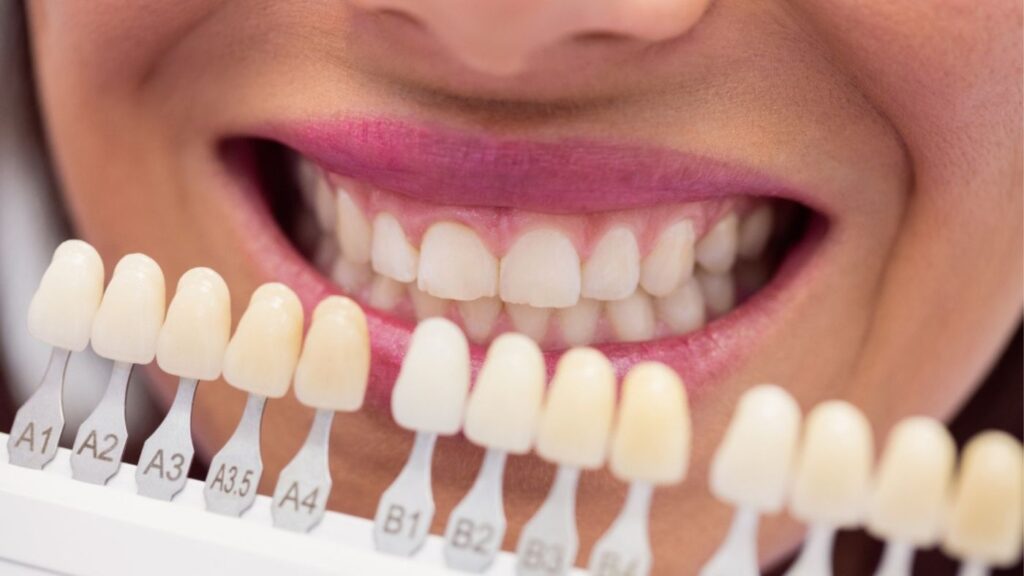
One of the most important risks of dental veneers is that the procedure is often irreversible. In most cases, a thin layer of enamel is removed from the natural tooth to allow proper placement of the veneer.
Once enamel is removed, it does not grow back. This means that teeth treated with veneers will always require some form of coverage in the future. Understanding this permanent change is essential before choosing veneers.
Some individuals may experience increased tooth sensitivity after veneers are placed. This sensitivity is usually related to enamel reduction during tooth preparation.
Sensitivity may occur when consuming hot, cold, or sweet foods and beverages. While this discomfort often decreases over time, in some cases it may persist and require additional management.
Dental veneers are durable but not indestructible. They can chip or crack if subjected to excessive force, such as biting hard objects or grinding teeth.
Although veneers are designed for everyday use, habits like nail biting or using teeth as tools increase the risk of damage. Once a veneer is significantly damaged, repair may not always be possible, and replacement may be required.
Veneers are primarily a cosmetic solution and do not address underlying dental problems such as tooth decay, gum disease, or severe bite issues.
If existing dental conditions are not properly managed before veneer placement, they may worsen beneath the veneers. This highlights the importance of comprehensive evaluation prior to treatment.
If veneers are not properly planned or customized, there is a risk that the final result may not meet aesthetic expectations.
Issues such as uneven appearance, unnatural shape, or color mismatch can occur. While veneers are designed to enhance appearance, dissatisfaction can arise if expectations are unclear or unrealistic.
Some individuals may experience gum irritation or inflammation around veneers, especially if the margins are not well adapted.
Poor oral hygiene or improperly contoured veneers can contribute to gum discomfort. Long-term gum health depends on correct veneer placement and consistent oral care.
In some cases, veneers may loosen or detach from the tooth surface. This can happen due to bonding issues, excessive bite pressure, or trauma.
While re-bonding may be possible in certain situations, repeated debonding may indicate the need for replacement or alternative treatment.
Dental veneers are not considered a lifetime solution. Over time, they may wear down or require replacement due to natural aging or changes in oral conditions.
Understanding that veneers may need future replacement helps individuals prepare for long-term maintenance rather than viewing veneers as a permanent, one-time procedure.
Although veneers cover the front surface of teeth, the underlying tooth structure remains vulnerable to decay.
Poor oral hygiene, plaque buildup, or gaps between the veneer and tooth can allow bacteria to accumulate, increasing the risk of cavities beneath the veneer. Regular dental check-ups are essential to monitor this risk.
If veneers alter the way teeth come together, bite issues may develop. Even minor changes in tooth thickness or shape can affect bite balance.
Bite-related discomfort may include jaw strain or uneven pressure on certain teeth. In some cases, adjustments are required to restore comfort.
Dental veneers may not be suitable for individuals with certain conditions such as severe teeth grinding, insufficient enamel, or untreated gum disease.
Attempting veneers without addressing these factors can increase the likelihood of complications and unsatisfactory results.
Some risks associated with veneers are related to expectations rather than physical outcomes. Veneers can improve smile appearance, but they may not resolve deeper concerns related to self-image or confidence.
Understanding the realistic scope of veneers helps prevent disappointment and promotes satisfaction with the outcome.
Dental veneers require ongoing care. While they do not need special products, neglecting routine oral hygiene increases the risk of complications.
Individuals who are unable or unwilling to maintain regular brushing, flossing, and dental visits may face higher long-term risks.
Although this discussion does not focus on pricing, it is important to recognize that veneer replacement or repair may be required in the future.
This consideration forms part of the overall risk assessment, as veneers represent a long-term commitment rather than a temporary cosmetic option.
Dental veneers can offer noticeable cosmetic improvements, but they also involve certain risks that should be clearly understood before treatment. From irreversible tooth preparation to maintenance responsibilities, veneers require careful consideration and informed decision-making.
For individuals evaluating dental veneers in Deira, understanding these potential risks supports realistic expectations and helps determine whether veneers align with long-term oral health and aesthetic goals. A thorough consultation and open discussion about risks play a key role in achieving a satisfactory and responsible outcome.
Dental veneers are generally safe, but like any dental procedure, they involve certain risks that should be understood beforehand.
In most cases, a small amount of tooth enamel is removed to allow proper veneer placement.
Some individuals may experience sensitivity to hot or cold foods after veneers are placed.
Veneers are durable but may chip or crack if exposed to excessive force or improper habits.
Yes, tooth decay can develop under veneers if oral hygiene is not maintained properly.
Severe teeth grinding can increase the risk of veneer damage and may make veneers unsuitable.
If not properly planned, veneers may alter bite alignment and cause discomfort.
Veneers are not permanent for life and may need replacement due to wear or damage.
Gum irritation may occur, especially if veneers are not well-fitted or oral hygiene is inadequate.
Dissatisfaction can occur if expectations are unclear or if aesthetic outcomes do not meet personal preferences.
The introduction to dental veneers helps you understand what veneers are, how they work, and how they enhance your smile by improving tooth colour, shape, alignment, and overall appearance. Learn more
This section explains who is a suitable candidate for veneers, including people with stained, chipped, uneven, gapped, or slightly misaligned teeth, and the basic oral health conditions required before treatment. Learn more
During the consultation for veneers, your dentist examines your teeth, discusses expectations, plans your smile design, selects the veneer shade, and explains the treatment process to ensure the best results. Learn more
The cost of dental veneers depends on the type of veneer used, the number of teeth treated, the complexity of the case, and the clinic’s expertise and facilities. Learn more
Before veneers treatment, it is important to ask about suitability, procedure steps, risks, longevity, maintenance requirements, and expected aesthetic outcomes to make an informed decision. Learn more
Dream Smile Dental Clinic
Banyas square, Metro Station, Behind whitefort Hotel, Lilly Centre – Office No: 106, Deira, United Arab Emirates, UAE
WhatsApp us