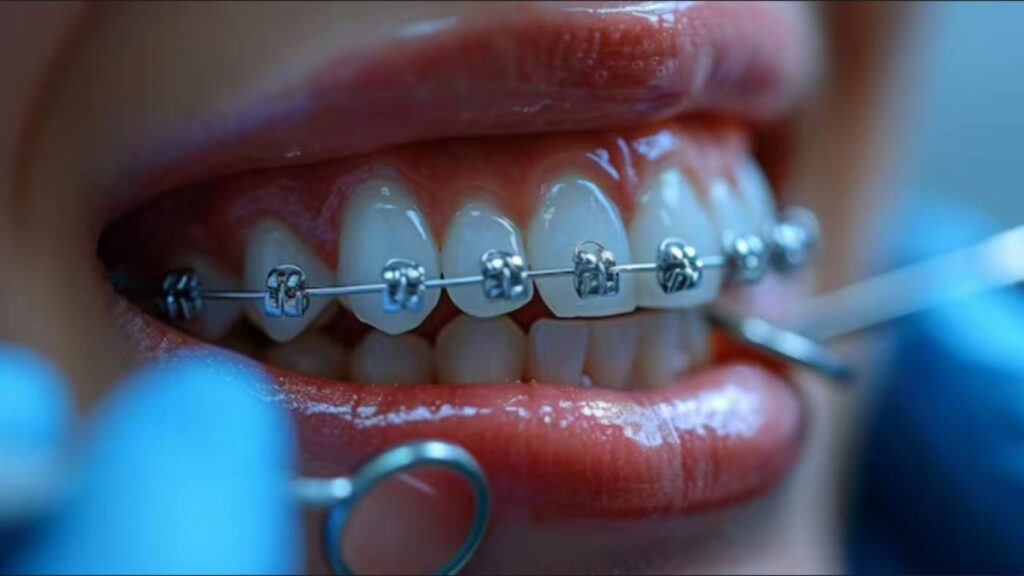
Dental Braces Treatment: Types, Procedure, and Alignment Care Guidance
Dental braces treatment is a common orthodontic procedure used to correct misaligned teeth, bite issues, and jaw positioning problems. In Deira, many individuals consider braces to improve both oral function and smile appearance. Braces gradually move teeth into better alignment using controlled pressure, helping create a more balanced bite and improved dental structure. Understanding the treatment process, expectations, and care requirements allows patients to make informed decisions about orthodontic correction.
1. What Is Dental Braces Treatment
Dental braces treatment is an orthodontic method designed to straighten teeth and correct bite irregularities. Braces apply gentle and consistent force to guide teeth into proper alignment over time. This process improves dental function, speech clarity, chewing efficiency, and smile aesthetics.
Braces may be recommended for children, teenagers, and adults depending on the severity of alignment concerns and oral development stage.
2. Why Dental Braces Are Recommended
Orthodontic correction is recommended when teeth are crowded, spaced unevenly, or improperly aligned. Bite problems such as overbite, underbite, crossbite, and open bite can also affect chewing and speech.
Braces help improve both cosmetic and functional aspects of dental health. Proper alignment can make oral hygiene easier and reduce the risk of gum issues and enamel wear.
3. Types Of Dental Braces
Different types of braces are available based on individual dental needs, treatment goals, and aesthetic preferences.
Metal Braces
Metal braces are the most common type and are made from stainless steel brackets and wires. They are durable and effective for correcting complex alignment problems.
Ceramic Braces
Ceramic braces use tooth-colored or clear brackets, making them less noticeable than metal braces. They function similarly but are more discreet in appearance.
Lingual Braces
Lingual braces are placed behind the teeth, making them hidden from view. They are customized for each patient and used for specific orthodontic cases.
Clear Aligners
Clear aligners are removable trays designed to gradually shift teeth into position. They are transparent and suitable for mild to moderate alignment concerns.
4. Conditions Treated With Dental Braces
Braces are commonly used to address various orthodontic problems, including crowded teeth, gaps between teeth, overlapping teeth, and bite misalignment. They can also help improve jaw positioning and facial symmetry in certain cases.
Correcting these conditions supports both oral health and functional comfort.
5. Initial Consultation And Assessment
The first step in braces treatment involves a dental evaluation. This includes examining teeth, gums, and jaw alignment. X-rays, digital scans, or impressions may be used to assess tooth positioning and create a treatment plan.
This planning stage helps determine the most suitable braces type and expected treatment duration.
6. Braces Placement Procedure
During the placement process, brackets are attached to the teeth using dental adhesive. A wire is then connected to the brackets to apply gentle pressure. The procedure is usually comfortable and does not require extensive recovery time.
Patients receive guidance on oral care and dietary adjustments after braces are placed.
7. Adjustment Appointments
Braces require periodic adjustments to continue moving teeth into alignment. During follow-up visits, wires may be tightened or changed to maintain progress.
These appointments are important for monitoring treatment effectiveness and ensuring proper tooth movement.
8. Duration Of Braces Treatment
Treatment duration varies depending on alignment severity and individual response. Some cases require shorter correction periods, while others need longer orthodontic management.
Consistency in follow-up visits and adherence to care instructions support efficient treatment progress.
9. Oral Hygiene During Braces Treatment
Maintaining oral hygiene is essential while wearing braces. Food particles can accumulate around brackets and wires, increasing the risk of plaque buildup.
Brushing after meals, flossing carefully, and using recommended cleaning tools help keep teeth and gums healthy during treatment.
10. Dietary Considerations With Braces
Certain foods should be avoided to prevent damage to brackets and wires. Hard, sticky, or chewy foods may interfere with braces function.
Soft and easy-to-chew foods are often recommended, especially in the early stages after adjustments.
11. Managing Discomfort And Sensitivity
Mild discomfort or pressure is common after braces placement and adjustments. This sensation usually reduces as the mouth adapts.
Using orthodontic wax and following care instructions can help improve comfort during treatment.
12. Speech And Daily Activity Adaptation
Some patients notice minor speech adjustments after braces placement. This is usually temporary and improves with time.
Daily activities such as work, school, and exercise can continue normally while wearing braces.
13. Benefits Of Dental Braces Treatment
Braces provide both functional and aesthetic benefits. Proper alignment improves chewing efficiency, reduces strain on jaw muscles, and enhances smile appearance.
Orthodontic correction also supports long-term oral health by making teeth easier to clean and maintain.
14. Post-Treatment Retention Phase
After braces are removed, retainers are often used to maintain alignment results. Teeth may gradually shift back without proper retention support.
Retainers help preserve the new tooth position and ensure long-term stability.
15. Long-Term Maintenance After Braces
Even after treatment completion, maintaining oral hygiene and attending regular dental visits remains important. Monitoring alignment and gum health supports lasting results.
Consistent care helps protect both natural teeth and orthodontic outcomes.
16. Emotional And Confidence Benefits
Many individuals experience improved confidence after braces treatment. A well-aligned smile can positively influence personal interactions and self-image.
These psychological benefits often contribute to overall satisfaction with orthodontic care.
17. Suitability For Different Age Groups
Braces are suitable for both younger individuals and adults. While early treatment may guide jaw development, adult orthodontics focuses on correcting alignment and bite issues.
Age does not prevent successful orthodontic outcomes when treatment is planned appropriately.
18. Importance Of Regular Monitoring
Regular monitoring ensures that teeth are moving as expected and that braces remain in proper condition. Any issues such as loose brackets or discomfort can be addressed promptly during follow-up visits.
Continuous supervision supports treatment efficiency and safety.
19. Understanding Treatment Expectations
Orthodontic treatment is gradual and requires patience. Teeth shift slowly to prevent damage and ensure stable results. Realistic expectations help patients stay committed throughout the treatment journey.
Following professional instructions and attending scheduled appointments contribute to successful outcomes.
20. Final Overview Of Dental Braces Treatment
Dental braces treatment plays an important role in correcting alignment and improving oral health. The process involves careful planning, gradual tooth movement, and consistent monitoring. Patients often experience improved function, better hygiene, and enhanced smile aesthetics after treatment.
For individuals considering orthodontic care in Deira, understanding the treatment process, expectations, and maintenance requirements helps support informed decision-making and long-term dental health.
Table Of Content
Consultation
A braces consultation involves dental examination, bite assessment, imaging if required, and planning a suitable orthodontic approach. Learn more
Cost
The cost of braces treatment depends on the type of braces, treatment duration, case complexity, and follow-up care. Learn more
Types
Common types include metal braces, ceramic braces, lingual braces, and clear aligners designed for different alignment needs. Learn more
Steps
The procedure includes dental assessment, placement of braces or aligners, periodic adjustments, and monitoring progress. Learn more
Before-and-after results
Before-and-after results usually show improved tooth alignment, corrected bite, and enhanced smile appearance. Learn more
Frequently Asked Questions
1. What is dental braces treatment used for?
Dental braces treatment is used to correct misaligned teeth, spacing issues, and bite problems.
2. Who can get dental braces treatment?
Braces can be used for children, teenagers, and adults depending on their dental needs.
3. How long does braces treatment usually take?
The duration varies based on alignment severity and individual response to treatment.
4. Are dental braces painful?
Some mild discomfort or pressure may occur, especially after adjustments, but it usually reduces with time.
5. Can I eat normally while wearing braces?
Soft foods are recommended, and hard or sticky foods should be avoided to prevent damage.
6. How often are braces adjustments required?
Adjustments are usually scheduled at regular intervals to guide tooth movement.
7. Is oral hygiene important during braces treatment?
Yes, proper brushing and cleaning help prevent plaque buildup around brackets and wires.
8. Will braces affect speech initially?
Some patients may notice slight speech changes, which usually improve quickly.
9. What happens after braces are removed?
Retainers are commonly used to maintain the new tooth alignment.
10. Do braces improve overall oral health?
Properly aligned teeth can make cleaning easier and support long-term dental health.
Our Team of Skilled Dentists In Dubai
At our clinic, we take pride in our highly skilled and efficient team of dental specialists who are always ready to meet your dental needs.