Types of Dental Braces: Traditional, Ceramic, Lingual, and Clear Aligner Treatment Options
Dental braces are orthodontic appliances used to correct misaligned teeth, spacing issues, and bite problems. They apply controlled pressure over time to move teeth into proper positions and improve both oral function and appearance. In Deira, many individuals consider braces to address crowding, gaps, and jaw alignment concerns through structured orthodontic planning and monitoring.
Braces treatment begins with an evaluation of dental alignment, bite relationship, and overall oral health. The orthodontic approach is selected based on the complexity of the case, patient preferences, lifestyle, and expected treatment duration. Modern orthodontics offers several types of braces designed to suit different aesthetic and functional requirements.
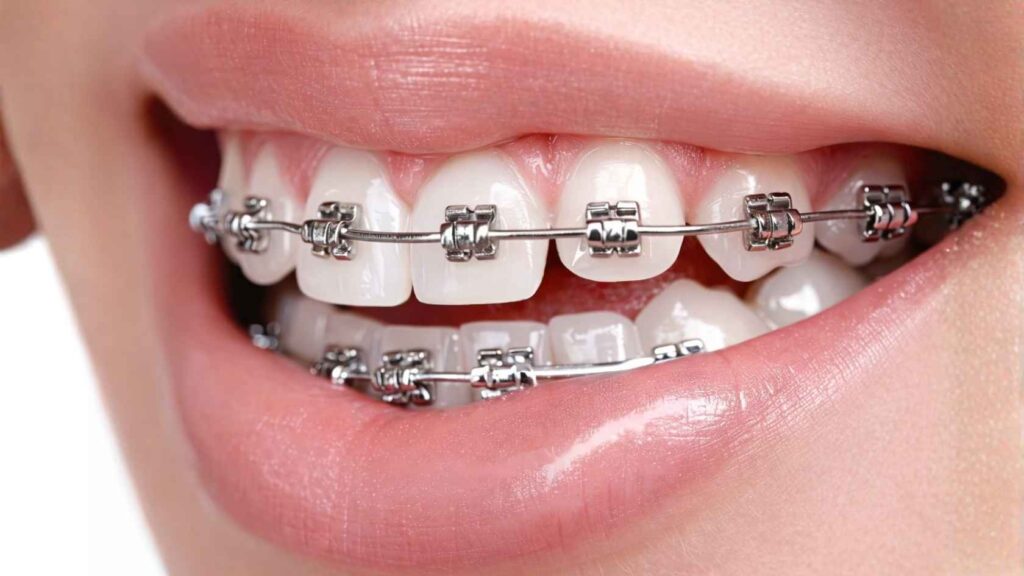
Metal Braces
Metal braces are the most commonly used and traditional orthodontic option. They consist of stainless steel brackets attached to the teeth and connected with an archwire that gradually shifts tooth positions.
This type of braces is widely recommended for moderate to severe alignment problems. Metal braces are durable and provide precise control over tooth movement. Over time, they have become smaller and more comfortable than earlier versions.
They are suitable for both teenagers and adults and are commonly used for complex orthodontic corrections such as crowding, rotations, and bite discrepancies.
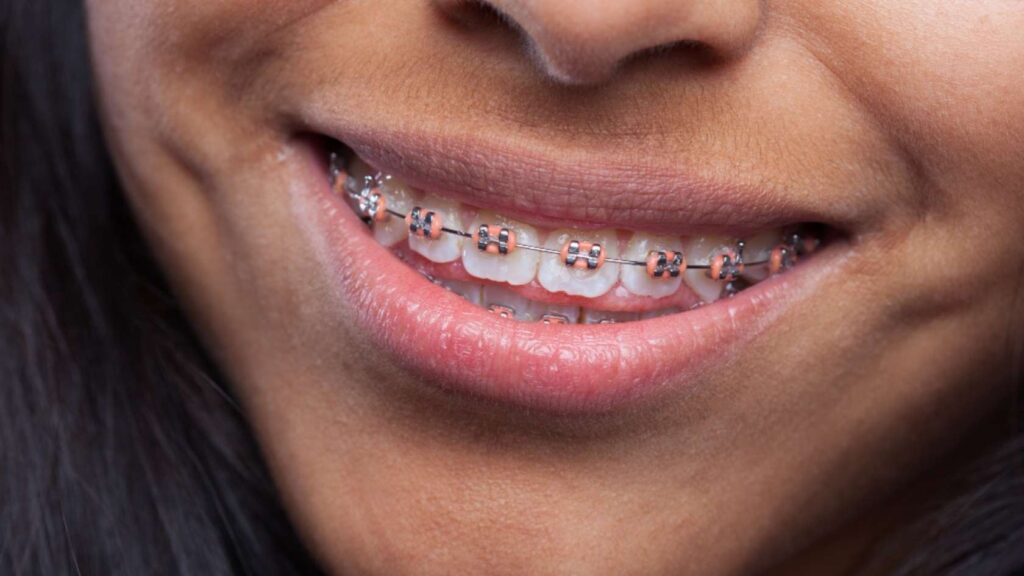
Ceramic Braces
Ceramic braces function similarly to metal braces but are designed using tooth-colored or clear materials. This makes them less noticeable compared to traditional metal brackets.
They are often preferred by individuals who want a more aesthetic orthodontic option without compromising treatment effectiveness. Ceramic braces are effective for correcting alignment issues, spacing, and bite irregularities.
Although visually subtle, they require careful maintenance to prevent staining and maintain their appearance during treatment.
Lingual Braces
Lingual braces are attached to the inner surfaces of the teeth, making them virtually invisible from the outside. They work similarly to conventional braces but are customized for placement behind the teeth.
This option is chosen by individuals who prefer discreet orthodontic treatment. Lingual braces can treat alignment problems, spacing issues, and bite corrections while remaining hidden.
Because of their positioning, initial speech adjustment and tongue adaptation may be required. Regular follow-ups are essential for monitoring progress.
Self-Ligating Braces
Self-ligating braces are advanced orthodontic appliances that use a built-in clip mechanism instead of elastic bands to hold the archwire. This design allows smoother movement and reduced friction during treatment.
They are available in both metal and ceramic forms. Self-ligating braces are often associated with shorter adjustment visits and improved oral hygiene due to fewer components.
These braces are suitable for alignment correction, spacing issues, and bite management. Treatment duration depends on the severity of the orthodontic condition.
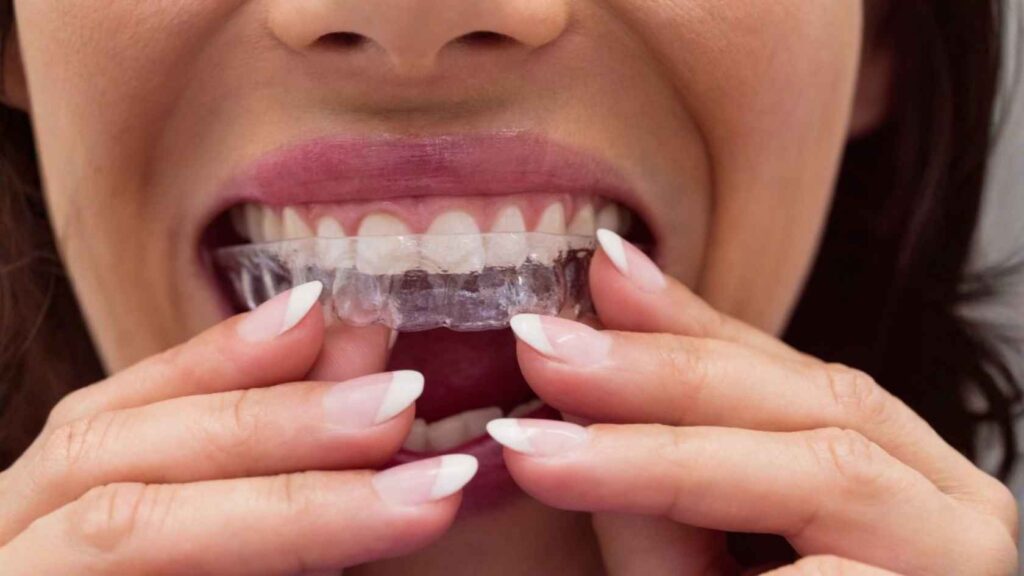
Clear Aligners
Clear aligners are removable orthodontic devices made of transparent plastic material. They gradually shift teeth using a series of custom-made trays designed specifically for each stage of treatment.
They are commonly chosen by adults and working professionals who prefer a nearly invisible orthodontic option. Aligners are comfortable and allow easy removal while eating and brushing.
Clear aligners are effective for mild to moderate alignment issues, spacing, and minor bite corrections. Consistent usage and compliance are important for successful outcomes.
Functional Braces
Functional braces are designed to guide jaw growth and alignment, particularly in younger patients. They are used when bite issues are related to jaw positioning rather than just tooth alignment.
These appliances help improve jaw balance, bite function, and facial harmony. They are usually recommended during growth phases and may be followed by fixed braces for further correction.
Damon Braces
Damon braces are a type of self-ligating braces known for their sliding mechanism and reduced pressure system. They are designed to allow natural movement of teeth with minimal friction.
They aim to improve comfort and support gradual tooth movement. Damon braces may reduce the frequency of adjustments and provide efficient alignment correction.
Invisible Braces
Invisible braces refer to orthodontic solutions designed to be discreet and less noticeable. These may include clear aligners, ceramic braces, or lingual braces depending on patient preference and clinical suitability.
They are preferred by individuals who wish to maintain a natural appearance during treatment. Invisible braces address spacing, crowding, and alignment concerns while offering aesthetic comfort.
Pediatric Braces
Pediatric braces are recommended for children when early orthodontic evaluation identifies alignment or jaw development concerns. Early intervention can guide proper tooth eruption and jaw positioning.
These braces help prevent complex orthodontic problems later and support balanced dental development.
Adult Braces
Orthodontic treatment is not limited to children and teenagers. Adults increasingly choose braces to correct alignment issues, improve bite function, and enhance oral health.
Options such as ceramic braces, lingual braces, and clear aligners are commonly selected for their aesthetic advantages and comfort.
Choosing the Right Type of Braces
The selection of braces depends on multiple factors including:
Degree of misalignment
Bite relationship
Oral health condition
Age and lifestyle preferences
Treatment duration expectations
Aesthetic considerations
A detailed orthodontic assessment helps determine the most suitable type of braces for each individual.
Duration of Braces Treatment
Treatment duration varies depending on the complexity of alignment issues and the type of braces used. Mild cases may require shorter treatment periods, while complex bite corrections may need longer monitoring and adjustments.
Regular follow-up visits are essential to ensure proper progress and make necessary modifications during treatment.
Maintenance During Braces Treatment
Maintaining oral hygiene is crucial throughout orthodontic treatment. Patients are advised to:
Brush carefully around brackets and wires
Use orthodontic-friendly cleaning tools
Avoid hard and sticky foods
Attend scheduled follow-ups
Proper care helps prevent dental issues and ensures effective treatment outcomes.
Importance of Orthodontic Evaluation
A thorough evaluation is necessary before starting braces treatment. It includes assessment of teeth alignment, bite pattern, jaw structure, and oral health status.
Early diagnosis and planning help in selecting the right orthodontic approach and improving treatment effectiveness.
Long-Term Benefits of Dental Braces
Braces treatment contributes to:
Improved alignment of teeth
Better chewing and bite function
Easier oral hygiene maintenance
Balanced facial appearance
Reduced risk of dental complications
Orthodontic correction supports both functional and aesthetic aspects of oral health.
Understanding the different types of dental braces helps individuals make informed decisions about orthodontic treatment. Each option is designed to address specific alignment concerns while supporting gradual and controlled tooth movement. With proper evaluation, planning, and follow-up care, braces treatment can significantly improve dental alignment and overall oral health in Deira.
Table Of Content
Dental braces treatment
Dental braces treatment is an orthodontic procedure used to correct misaligned teeth and improve bite and overall dental function. Learn more
Consultation
A braces consultation involves dental examination, bite assessment, imaging if required, and planning a suitable orthodontic approach. Learn more
Cost
The cost of braces treatment depends on the type of braces, treatment duration, case complexity, and follow-up care. Learn more
Steps
The procedure includes dental assessment, placement of braces or aligners, periodic adjustments, and monitoring progress. Learn more
Before-and-after results
Before-and-after results usually show improved tooth alignment, corrected bite, and enhanced smile appearance. Learn more
Frequently Asked Questions
1. What are the different types of dental braces available?
Dental braces include metal braces, ceramic braces, lingual braces, self-ligating braces, clear aligners, and functional braces.
2. Which type of dental braces is most commonly used?
Metal braces are the most commonly used option due to their effectiveness in correcting various alignment issues.
3. Are ceramic braces better than metal braces?
Ceramic braces are less noticeable than metal braces, but both are effective for correcting misalignment and bite problems.
4. What are lingual braces?
Lingual braces are placed behind the teeth, making them less visible while correcting alignment and bite issues.
5. Who can choose clear aligners instead of braces?
Clear aligners are suitable for individuals with mild to moderate alignment concerns who prefer a removable and discreet option.
6. Are dental braces suitable for adults?
Yes, braces can be used by adults to correct alignment, spacing, and bite issues.
7. How is the right type of braces selected?
The type of braces is chosen based on alignment condition, bite issues, oral health, and personal preferences.
8. Do different braces types have different treatment durations?
Yes, treatment duration varies depending on the type of braces and the severity of the orthodontic condition.
9. Can children use all types of dental braces?
Children are usually recommended braces based on their dental development and orthodontic needs.
10. Is orthodontic evaluation important before choosing braces?
Yes, evaluation helps determine the most suitable braces type and treatment plan for proper alignment correction.
Our Team of Skilled Dentists In Dubai
At our clinic, we take pride in our highly skilled and efficient team of dental specialists who are always ready to meet your dental needs.