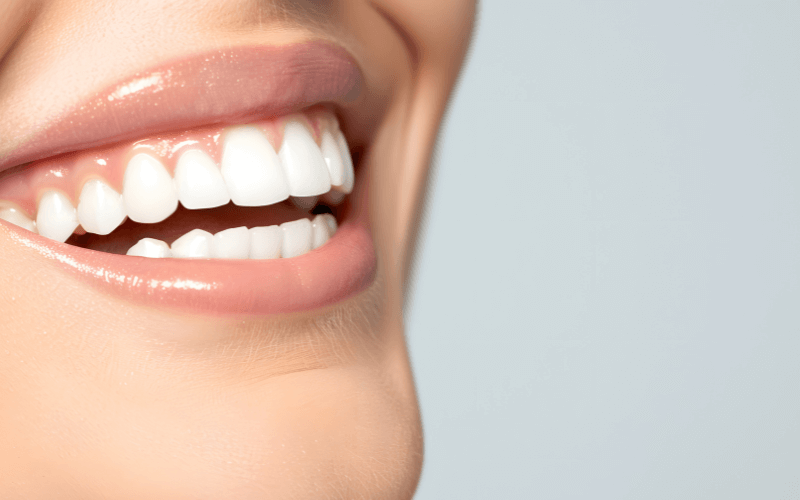
A healthy smile is more than just aesthetics—it plays a key role in chewing, speaking, confidence, and long-term oral well-being. When a tooth becomes damaged, decayed, fractured, or weakened, restoring it at the right time is essential to prevent future complications. This is where Dental Crowns & Bridges in Dubai become highly beneficial. They help rebuild tooth strength, restore natural appearance, and protect teeth that are at risk of further deterioration. Dental crowns are often recommended when a tooth is beyond a simple filling. They act as a protective cap that covers the entire surface of the tooth, enhancing functionality while improving the appearance of your smile. Whether the damage is caused by trauma, decay, root canal treatment, or natural wear due to aging, a crown can make the tooth strong and long-lasting again.
What Exactly is a Dental Crown?
A dental crown is a custom-made cap shaped like a natural tooth that is placed over a damaged tooth to restore its shape, size, and strength. Once cemented into place, the crown functions like your original tooth, allowing you to chew, bite, smile, and speak comfortably.
Common materials used in crowns include:
| Crown Type | Features | Ideal For |
|---|---|---|
| Porcelain | Natural looking, blends with teeth | Front teeth |
| Ceramic | Strong, aesthetic finish | Visible smile areas |
| Metal Alloy | Highly durable, long-lasting | Molars and back teeth |
| Zirconia | Extremely strong with tooth-like finish | High strength with aesthetics |
| Resin | Affordable and lightweight | Temporary or budget-friendly crowns |
Each material comes with benefits, and the dentist suggests the best one depending on functional need, aesthetic goals, and strength requirements.
Why Are Dental Crowns Necessary?
Unlike bones, teeth do not repair themselves. When a tooth is cracked or excessively decayed, it becomes vulnerable to infection, fracture, and tooth loss. In such cases, a crown is not just an option—it is a necessity to save the tooth.
1. Preventing Infection & Future Damage
A damaged tooth has open pathways that allow bacteria to enter the inner tissues. If ignored, this can lead to severe infection, abscess, or even tooth extraction. A dental crown seals the tooth completely, preventing bacteria from spreading and protecting your oral health.
2. Halting the Spread of Tooth Decay
Decay spreads quickly once it reaches dentin or pulp. A crown covers and shields the tooth structure, stopping infection from reaching neighboring teeth.
3. Strengthening Weak & Worn-Out Teeth
Old fillings, fractures, and age-related wear can weaken the tooth structure. Over time, the tooth may break while chewing something hard. A dental crown reinforces the tooth, making it strong enough to handle daily chewing pressure.
When Do You Need a Dental Crown?
A dentist may recommend a crown if you have:
✔ Deep decay that cannot be repaired with a filling
✔ A tooth treated with root canal therapy
✔ A fractured, chipped, or severely worn tooth
✔ Discolored or misshaped tooth ruining smile alignment
✔ A large filling that weakens tooth walls
✔ Teeth grinding or erosion caused by lifestyle habits
Crowns help restore appearance and function, making them a long-term solution for damaged teeth.
What About Dental Bridges?
While crowns restore a single tooth, bridges help replace one or more missing teeth. A bridge consists of a false tooth held in place by crowns placed on the supporting natural teeth. It restores chewing efficiency and prevents the surrounding teeth from shifting. Using Dental Crowns in Dubai, individuals can maintain proper bite alignment, improve speaking comfort, and regain a complete smile.
Procedure for Getting a Dental Crown
1. Initial Examination
The dentist assesses tooth condition using X-rays and a clinical evaluation. If decay or infection is present, it must be treated before crown placement.
2. Tooth Preparation
A small amount of enamel is shaped to make space for the crown. If the tooth is deeply damaged, a buildup material is used to support the crown.
3. Impression & Shade Selection
A digital or physical impression is taken to design the crown with perfect fit and color match.
4. Temporary Crown
A temporary crown protects the tooth until the permanent one is ready.
5. Permanent Crown Fitting
Once completed, the permanent crown is placed, adjusted for comfort, and cemented securely. The result? A natural-looking, fully functional tooth with renewed strength.
Benefits of Dental Crowns
Here are the key advantages:
⭐ Restores the ability to chew and bite
⭐ Enhances smile aesthetics
⭐ Prevents fractures and decay progression
⭐ Protects weak or root-canal-treated teeth
⭐ Improves tooth alignment and shape
⭐ Long-lasting durability (10–20 years depending on care)
Crowns offer not just cosmetic improvement—but true functional restoration.
How Long Do Crowns Last?
With proper oral hygiene and routine dental checkups, crowns can last 10–20 years or more. Avoid biting ice, hard nuts, or using teeth to open packets, and longevity increases even further.
Conclusion
Dental crowns play a powerful role in restoring damaged, fractured, or decayed teeth. They protect your tooth like a shield, improve function, and enhance the appearance of your smile. Whether you have weakened teeth, extensive decay, or require protection after root canal treatment, choosing Dental Crowns ensures long-lasting oral health, comfort, and aesthetics. A strong, healthy smile is possible with the right restoration—and a dental crown could be the solution that brings back your confidence and bite.