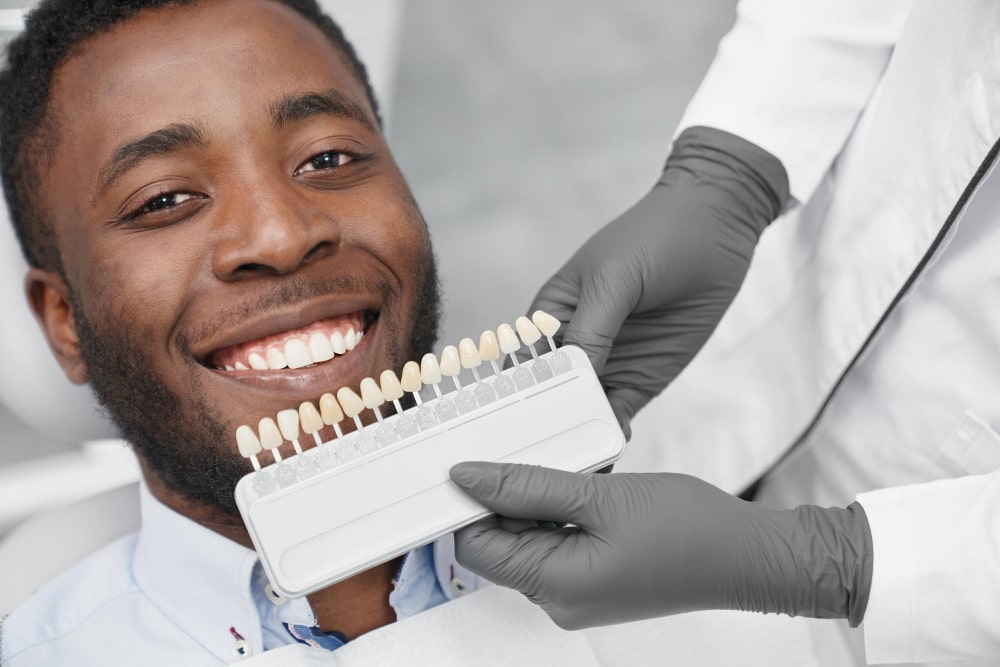
Dental veneers are one of the most popular cosmetic dentistry treatments in the world today. They are loved by patients because they can completely transform a smile, increase confidence, and create beautiful, natural-looking teeth without needing major dental procedures. But not everyone is the right match for veneers — and that is exactly why understanding “Who is a good candidate for veneers?” is so important before you decide to go ahead with treatment.
In this detailed guide, you will learn who qualifies for veneers, who may not be suitable, what dentists evaluate before approving you for veneers, and what conditions must be met to ensure safe and successful treatment.
People choose veneers because they want a confident, beautiful smile. A great smile boosts confidence, personality, and self-esteem. Veneers are ideal if you:
Feel shy while smiling
Have stained or discolored teeth
Have gaps between teeth
Have broken, chipped, or worn teeth
Want a brighter, more attractive smile
Want a perfect celebrity-like smile makeover
Want a minimally invasive cosmetic solution
Veneers enhance your teeth while preserving the natural structure. Unlike crowns, veneers require minimal tooth preparation, making them a more conservative cosmetic dentistry option.
Dental veneers can correct a wide range of dental imperfections, including:
Teeth may become stained due to coffee, tea, smoking, medications, aging, or previous dental work. When teeth whitening is not enough, veneers provide a permanent whitening solution.
If you have spaces between your teeth, veneers can close them without braces.
Minor cracks, chips, or fractures can be covered to restore a flawless appearance.
Some people naturally have uneven or small teeth. Veneers reshape and balance your smile.
Grinding or aging can wear down teeth. Veneers rebuild length and structure.
For mild misalignment, veneers provide instant straightening without orthodontics.
In short, veneers not only beautify your smile — they also improve uniformity and symmetry.
There are mainly two types of veneers:
Porcelain veneers are the most popular and premium type of veneer. They are thin, highly durable, and closely resemble the natural shine and translucency of enamel.
Benefits of porcelain veneers
Natural tooth-like appearance
Stain-resistant
Long-lasting (10–20 years with care)
Strong and durable
Biocompatible
Composite veneers are made using tooth-colored resin material and are usually done in a single appointment.
Benefits of composite veneers
More affordable
Faster treatment
Easily repairable
Less enamel removal compared to porcelain
Your dentist will recommend the best option depending on your tooth condition, budget, and goals.

Dental veneers are thin shells placed on the front surface of teeth to improve their appearance.
People with healthy teeth and gums who want to improve tooth color, shape, or minor damage may be suitable candidates.
Yes, veneers can cover stains that do not respond well to teeth whitening treatments.
Veneers may be used for small chips or surface damage when the tooth structure is healthy.
Veneers can help close small gaps between teeth when orthodontic treatment is not required.
In most cases, a small amount of enamel is removed to ensure proper fit and bonding.
Veneers are a long-term solution, but they may need replacement after several years.
Veneers require regular brushing, flossing, and routine dental checkups.
Mild teeth grinding may still allow veneers with protective measures, but severe grinding may limit suitability.
With proper oral hygiene and care, veneers can last many years.
The introduction to dental veneers helps you understand what veneers are, how they work, and how they enhance your smile by improving tooth color, shape, alignment, and overall appearance. Learn more
During the consultation for veneers, your dentist examines your teeth, discusses expectations, plans your smile design, selects the veneer shade, and explains the treatment process to ensure the best results. Learn more
The cost of dental veneers depends on the type of veneer used, the number of teeth treated, the complexity of the case, and the clinic’s expertise and facilities. Learn more
Before veneers treatment, it is important to ask about suitability, procedure steps, risks, longevity, maintenance requirements, and expected aesthetic outcomes to make an informed decision. Learn more
Dental veneers can improve smile appearance, but they also involve potential risks such as irreversible enamel removal, sensitivity, damage, and the need for long-term maintenance. Learn more
Dream Smile Dental Clinic
Banyas square, Metro Station, Behind whitefort Hotel, Lilly Centre – Office No: 106, Deira, United Arab Emirates, UAE
WhatsApp us